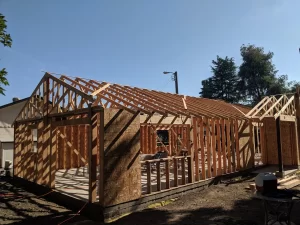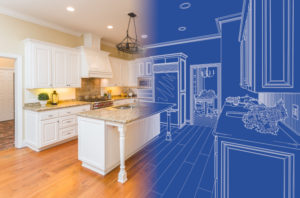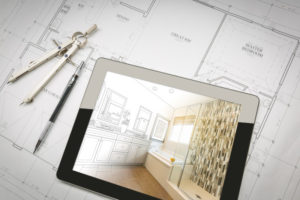

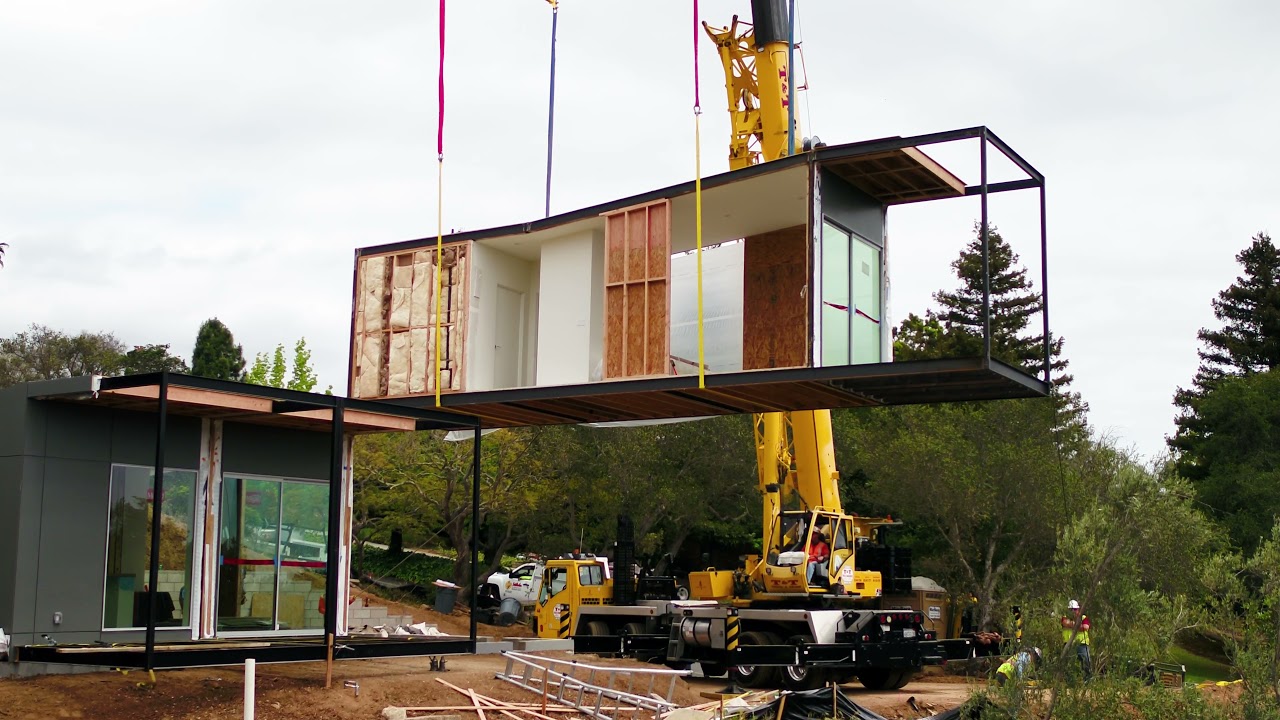
Adding an accessory dwelling unit (ADU) to your property is one of the smartest investments
Ojai homeowner can make right now. Whether you’re looking to generate rental income, create space for aging parents, or simply increase your home’s long-term value, an ADU can deliver on all fronts and California’s current laws make it easier than ever to get started.
But before you call a contractor or pick out floor plans, there are some important things to understand about building an ADU in Ojai specifically. This isn’t Los Angeles or San Diego Ojai has its own character, its own zoning landscape, and its own unique set of opportunities that make ADU planning here a little different. At Davis Construction, we’ve helped Ojai homeowners navigate this process from start to finish, and we want to make sure you go in with clear expectations and the right information.
Here are five things every Ojai homeowner should know before breaking ground on an ADU.
1. California State Law Is on Your Side
One of the biggest misconceptions about ADUs is that they’re difficult to get approved. In California, the opposite is true. Over the past several years, the state has passed sweeping legislation including AB 68, AB 881, and SB 13 specifically designed to remove barriers for homeowners who want to build ADUs.
Under current California law, your right to build an ADU on a single-family or multifamily property is essentially guaranteed. Cities and counties cannot deny a compliant ADU application, cannot require you to owner-occupy the property (for most ADU types), and cannot impose excessive fees that make projects unworkable.
What this means for Ojai homeowners: if your project meets the baseline requirements, you have a strong legal standing to build. The City of Ojai’s local ordinance must align with state law, so while there are local design standards and permitting steps involved, the state framework provides a solid foundation of protection for you as a homeowner.
This is a major shift from even five years ago, and it’s one of the primary reasons ADU construction has surged across California Ojai included.
2. Know Your ADU Options Before You Commit
Not all ADUs are the same, and the right type for your property depends on your lot size, existing structures, budget, and goals. In Ojai, the most common ADU types include:
Detached ADUs — A freestanding structure built in your backyard or on a separate portion of your lot. These are fully independent units, typically up to 1,200 square feet, and tend to command the highest rental rates because they offer residents maximum privacy. Detached ADUs require a minimum 4-foot setback from side and rear property lines and can be up to 16 feet tall in most zones.
Attached ADUs — Built as an addition to your primary home, sharing at least one wall. These can be up to 50% of the primary dwelling’s size or 1,200 square feet, whichever is less. Attached ADUs are often a cost-effective option if you already have a suitable wall or foundation to work with.
Garage Conversions — Ojai has a lot of properties with detached garages that go underused. Converting an existing garage into a livable ADU is one of the most affordable options available, and California law no longer requires you to replace the parking spot you’re converting — a big deal in Ojai’s somewhat sprawling residential neighborhoods.
Junior ADUs (JADUs) — A JADU is a smaller unit, up to 500 square feet, created entirely within the footprint of your existing home. Think a converted bedroom suite with a kitchenette and its own entrance. JADUs require minimal structural work and are the fastest path to adding a legal rental unit.
Choosing the right type is one of the most important early decisions in your ADU project, and it pays to talk with an experienced local contractor — one who knows Ojai’s terrain, climate, and zoning — before settling on an approach.
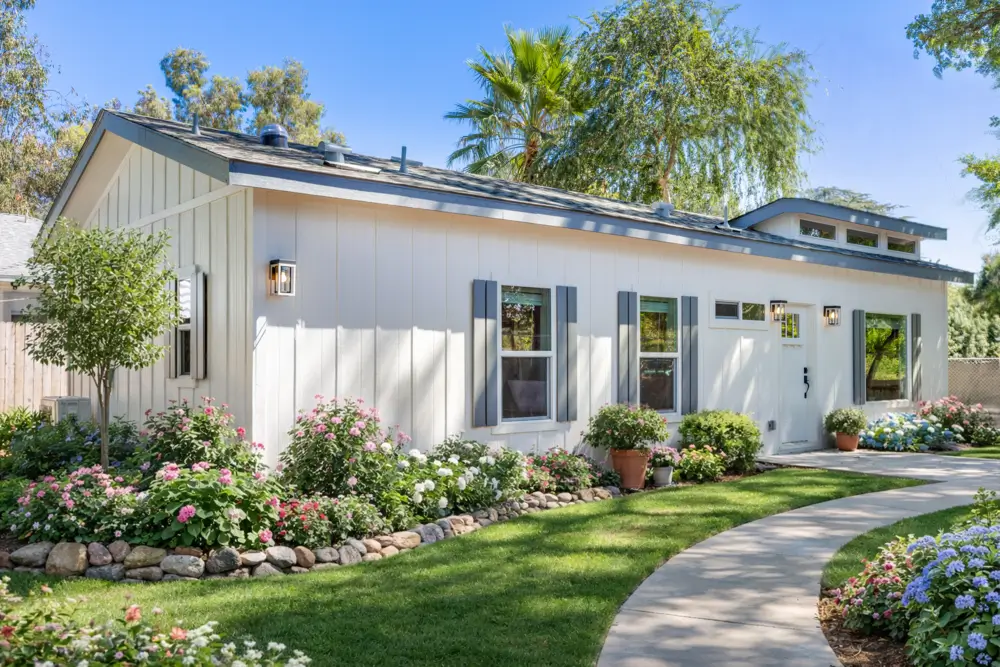
3. Ojai's Character Comes with Specific Design Considerations
Ojai is not a generic California suburb, and your ADU shouldn’t look like one either. The city takes its architectural character seriously, and while state law limits how much municipalities can restrict ADU construction, local design standards still apply particularly around aesthetics, materials, and compatibility with the primary structure.
Beyond regulations, Ojai’s physical environment presents real design considerations that a good contractor will plan for from day one:
Fire risk. Ojai sits in a high fire hazard severity zone. This affects material choices, defensible space requirements, and landscaping around the ADU. Building with fire-resistant materials isn’t just smart in many cases, it’s required.
Climate. Ojai’s hot, dry summers and mild winters make passive cooling strategies and proper orientation extremely valuable. An ADU designed with solar exposure in mind and adequate roof overhangs can dramatically reduce energy costs for tenants or family members.
Water and utilities. ADUs in Ojai typically require their own utility connections or shared connections with the primary home, depending on the type and location. Water availability and capacity can be a factor in rural and semi-rural parts of the valley something to investigate early in the planning process.
Working with a contractor who has built in Ojai before isn’t just convenient it’s genuinely valuable when it comes to navigating these local nuances.
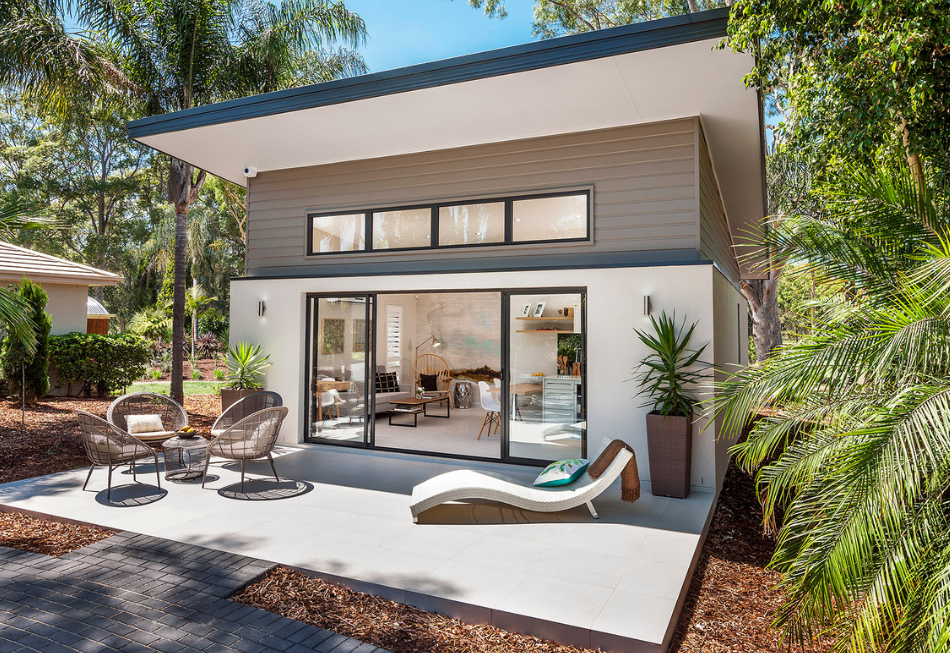
4. The Financial Case Is Compelling If You Plan It Right
Let’s talk money, because this is often what pushes homeowners from “thinking about it” to “let’s do it.”
ADUs have proven to be strong financial assets for California homeowners in two primary ways: rental income and property value appreciation.
On the rental income side, Ojai is a highly desirable community with a steady demand for housing — and a very limited supply. The valley’s appeal to remote workers, wellness-focused residents, artists, and retirees means that well-built ADUs rarely sit vacant for long. A detached ADU in a good location can generate meaningful monthly rental income that offsets your mortgage, helps fund retirement, or simply adds financial flexibility to your household.
On the property value side, research consistently shows that ADUs can add 20 to 30 percent to a home’s overall value. In a market like Ojai — where the median home price is already elevated and inventory is tight — that’s a significant potential gain.
That said, the financial math depends heavily on making smart decisions upfront: choosing the right ADU type for your property, keeping construction costs in line, and building to a standard that will hold up and attract quality tenants over the long term. Cutting corners on design or construction quality tends to cost more in the long run.
Davis Construction can walk you through a realistic cost-benefit analysis before you commit to any particular approach.
5. The Permitting Process Is More Manageable Than You Think
A lot of Ojai homeowners hesitate to start an ADU project because they assume the permitting process is a bureaucratic nightmare. In reality, California’s state ADU laws have significantly streamlined things and with the right contractor guiding you, it’s very manageable.
Here’s a general overview of what the Ojai ADU permitting process looks like:
Pre-application research. Before submitting anything, you’ll want to confirm your zoning designation, lot size, and any specific requirements that apply to your property. Some areas of Ojai may have additional fire, water, or design overlay requirements.
Plan preparation. Your contractor or architect prepares site plans, floor plans, and elevation drawings that meet the City of Ojai’s submittal requirements.
Plan check submission. Plans are submitted to the City for review. Under California law, the city must act on a complete ADU application within 60 days. Many straightforward projects move faster.
Permit issuance and construction. Once approved, permits are issued and construction begins. Inspections happen at key milestones throughout the build.
Final inspection and certificate of occupancy. Once construction is complete and passes final inspection, your ADU is legal, habitable, and ready to be used.
Working with a licensed, experienced contractor who has completed ADU projects in Ojai before makes every step of this process smoother. We handle much of the coordination on your behalf so you’re not left deciphering building codes on your own.
Ready to Explore an ADU for Your Ojai Property?
An ADU is one of the most versatile investments you can make as an Ojai homeowner. Whether your goal is extra income, housing for family, or simply increasing your property’s long-term value, the conditions right now from California’s favorable laws to Ojai’s strong housing demand are about as good as they get.
At Davis Construction, we specialize in ADU design and construction for Ojai and the surrounding Ventura County area. We know the local codes, the terrain, and the community and we’ll help you figure out whether an ADU makes sense for your specific property before you spend a dime.